
Empowering Your Health Through Insightful Reports
In our everyday lives, many health concerns come and go. But some symptoms like fluid retention or parotid gland swelling can be puzzling, uncomfortable, and even alarming. These aren’t just random issues—they often hint at deeper imbalances in the body. Whether you're dealing with sudden puffiness, unexplained swelling near your jaw, or discomfort that just won't go away, it's worth understanding what’s going on and how to manage it.
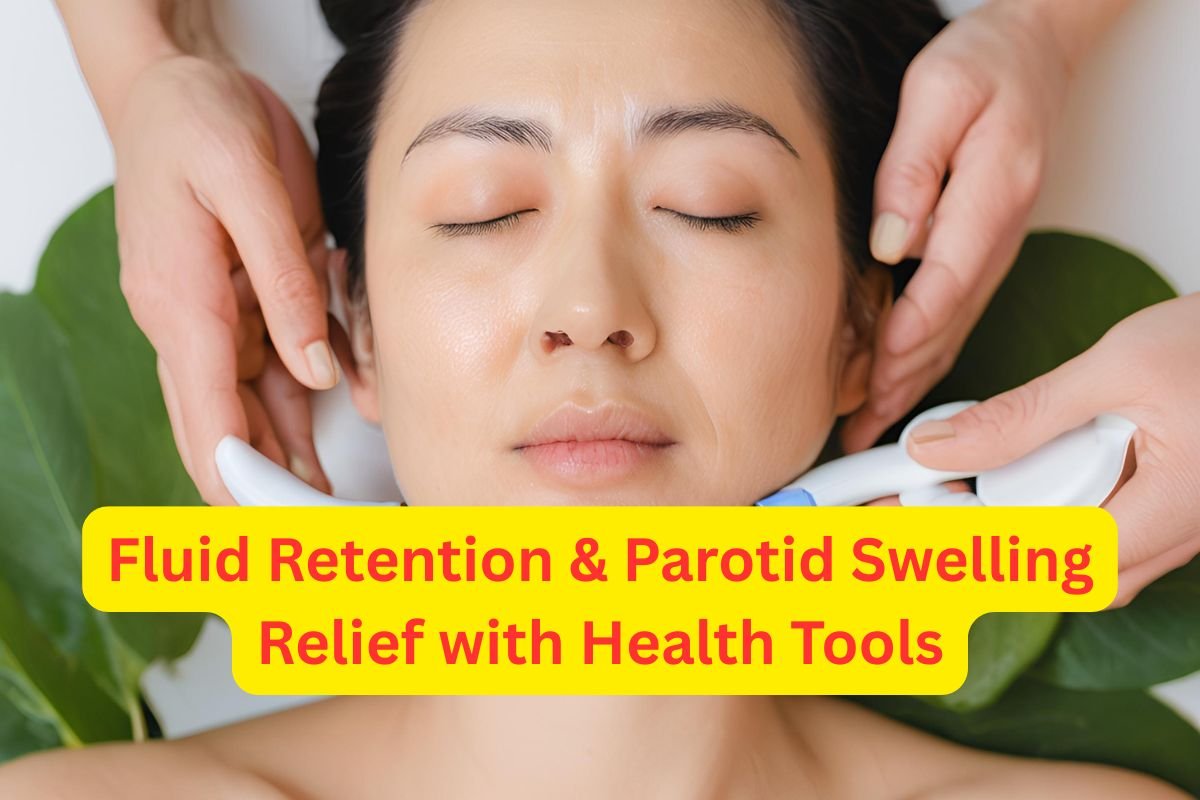
In this guide, we’ll break down the connection between fluid retention and parotid gland swelling, explore effective pain relief strategies, and introduce you to how cystography health tools can support your journey toward better well-being.
Water makes up more than half of the human body. It’s in your blood, tissues, muscles, and even your bones. But when your body holds onto more water than it needs, that’s what we call fluid retention, or edema.
This excess fluid can collect in different parts of the body—often in the legs, feet, hands, and even the face. You might notice that your rings feel tighter, your shoes don’t fit the same, or your eyelids seem puffier than usual.
Understanding why fluid retention happens is the first step in managing it. But sometimes, swelling appears in more specific areas—like your face—and that’s when you might be dealing with something like parotid gland swelling.
Your parotid glands are the largest of the salivary glands, located just in front of and below each ear. Their main job is to produce saliva to help with digestion and oral hygiene.
When these glands become swollen, it can lead to visible puffiness on the side of your face, jaw pain, and even trouble eating or speaking.
If you notice swelling in one or both parotid glands, it's a signal that something needs your attention. And while many causes are benign and treatable, it’s always best to get it checked out early.
It may seem like fluid retention and parotid swelling are completely unrelated. But in some cases, they can be part of a bigger picture.
For instance:
Understanding your full range of symptoms can help determine if these issues are connected. Keeping a journal of what you eat, drink, and feel throughout the day can be surprisingly insightful.
Don’t guess—if your swelling is persistent or comes with fever, see your healthcare provider right away.
And this is where cystography health tools can be incredibly valuable.
Cystography health tools are digital and diagnostic resources that help patients track symptoms, monitor internal health markers, and understand imaging results—particularly in relation to urinary and glandular systems.
These tools can include:
Let’s say you’ve been dealing with parotid swelling and general puffiness for a few weeks. You’re not sure if it’s something minor or a sign of something more serious.
With cystography health tools, you can:
These tools give you the clarity you need—and the control you deserve.
But in most cases, with the right care and consistent monitoring, invasive treatment can be avoided.
Swelling in visible areas like your face can take a toll on your confidence. Chronic pain or discomfort can disrupt your sleep, appetite, and even your relationships.
It’s important to talk about this openly—with your doctor, your family, and yourself. You're not being dramatic or vain. You’re responding to real discomfort that deserves attention and empathy.
There are online forums, support groups, and patient communities that discuss both fluid retention and parotid gland disorders. Sometimes, just hearing that you’re not alone makes the burden a little lighter.
Whether you’re navigating mild fluid retention, struggling with persistent parotid swelling, or looking for pain relief options that actually work, know this: You are not powerless.
Modern cystography health tools, better medical knowledge, and lifestyle support are here to help. Take note of your symptoms, track your body’s signals, and seek professional care when needed.
Listening to your body is not overreacting—it’s wisdom in action.
| Symptom | Possible Cause | When to See a Doctor |
|---|---|---|
| General puffiness | Fluid retention from diet or hormones | If swelling is persistent or severe |
| Swelling near jaw/ear | Parotid gland swelling | If painful, persistent, or comes with fever |
| Pain and tightness | Inflammation or infection | If OTC pain relief doesn’t help |
| Facial asymmetry | Cyst or tumor | Immediately, especially if sudden |
| Fluid retention + swelling | Kidney or heart issue | Seek urgent care if swelling worsens rapidly |
If you're ready to explore how cystography health tools can help you understand and manage these issues, take the first step. Knowledge is the bridge between confusion and relief.