
Body Mass Distribution Analyzer
Understand how your body fat is distributed by calculating two important ratios: the waist-to-hip ratio and the waist-to-height ratio.
Your Body Mass Distribution Analysis
[Your personalized suggestion based on your ratios will appear here]
Body Mass Distribution Analyzer: Uncover Insights into Your Body Fat Distribution
When we talk about fitness or health, most people immediately think about weight. Some might go a bit further and bring up body fat percentage. But here's the thing—where you carry your body fat can often tell you more about your health than how much of it you have.
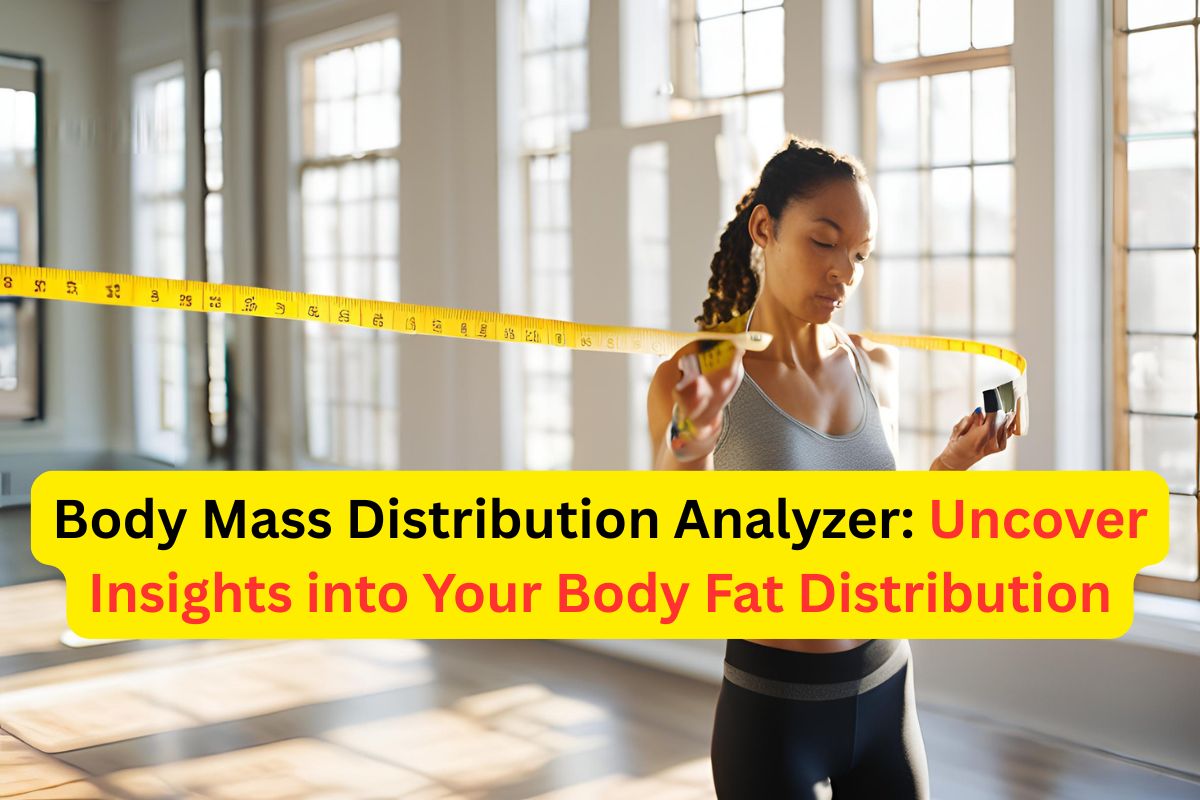
That's where our Body Mass Distribution Analyzer at Cystography.com comes in. This tool focuses on two key ratios that can give you a deeper understanding of your health: Waist-to-Hip Ratio (WHR) and Waist-to-Height Ratio (WTHR).
By analyzing these numbers, you can learn how your body stores fat and what that means for your health. It's a simple, quick, and incredibly powerful way to take control of your wellness journey.
Why Fat Distribution Matters
Not all fat is created equal. Some fat sits just under your skin—called subcutaneous fat. This is the stuff you can pinch. But other fat—called visceral fat—builds up around your organs. That kind? It's more dangerous.
Visceral fat has been linked to a higher risk of heart disease, stroke, type 2 diabetes, and even certain cancers. And unfortunately, you can be within a healthy weight range and still have too much of it.
That's why looking beyond the scale or even BMI is so important. Tools like our Body Mass Distribution Analyzer help shine a light on what's really happening with your health.
What is Waist-to-Hip Ratio (WHR)?
Let's start with the Waist-to-Hip Ratio. It's exactly what it sounds like—a comparison between the size of your waist and your hips.
To calculate it, you simply divide your waist measurement by your hip measurement. That's it.
Here's why it matters:
Fat stored around the midsection—aka the "apple" shape—is more strongly associated with health risks than fat stored around the hips and thighs—the "pear" shape.
According to the World Health Organization, a WHR higher than:
- 0.90 for men
- 0.85 for women
...could mean you're at a higher risk for cardiovascular issues and other metabolic complications.
So while two people might weigh the same, the one with more abdominal fat is generally at greater health risk.
What is Waist-to-Height Ratio (WTHR)?
Next up is the Waist-to-Height Ratio. This one is even simpler: measure your waist, then divide that number by your height.
If your waist is more than half your height, that's a red flag. The general rule is:
Keep your waist circumference less than 50% of your height.
Why does this matter?
Because WTHR can often identify health risks more accurately than BMI. It works across different populations and isn't skewed by muscle mass the way BMI sometimes is. That's especially important for athletes or people with larger frames.
How Our Analyzer Works
We've designed our Body Mass Distribution Analyzer to be easy to use and lightning fast.
Here's what you'll need to input:
- Your height
- Your waist measurement
- Your hip measurement
- Your gender
That's it.
Once the details are entered, the tool works out the WHR and WTHR right away. Instead of only showing raw numbers, it also explains what those results actually indicate and offers practical suggestions for what to do next.
What Your Results Mean
For Waist-to-Hip Ratio (WHR):
- Low Risk
Men: 0.90 or less
Women: 0.85 or less - Moderate Risk
Men: 0.91–0.99
Women: 0.86–0.89 - High Risk
Men: 1.0 or above
Women: 0.90 or above
For Waist-to-Height Ratio (WTHR):
- Healthy: 0.5 or below
- At Risk: Above 0.5
This ratio is especially useful because it adjusts for height, making it a more personalized metric.
Why Gender Makes a Difference
Men and women bodies tend to store fat in different areas because of hormonal and genetic influences. In most cases, men accumulate more fat around the abdomen, while women more often carry it around the hips and thighs.
That's why the thresholds for WHR are different between genders—and why our tool takes that into account.
By tailoring the interpretation based on gender, we give you a more accurate picture of your health risk.
Making Sense of Your Numbers
So you've run the numbers. Now what?
If your results are within the healthy range, that's awesome—keep doing what you're doing. But if you're outside those boundaries, don't panic. Use this as a wake-up call, not a sentence.
Here's what you can do next:
- Improve Your Diet
Start with small, manageable changes:
- Cut back on added sugars and refined carbs.
- Focus on whole foods like vegetables, fruits, lean proteins, and healthy fats.
- Watch portion sizes and try not to eat out of boredom or stress. - Move More
- Cardio (walking, running, swimming) burns calories and improves heart health.
- Strength training builds muscle, which boosts your metabolism.
- Even standing up more often can help—sitting for too long slows everything down. - Track Your Progress
Re-measure yourself every few weeks. Watching those ratios improve is incredibly motivating. - Don't Focus Solely on the Scale
As you build muscle and lose fat, your weight might stay the same or even go up. That's okay. Body composition is what really counts. - Talk to a Pro
If you're unsure where to start or need a more tailored approach, reach out to a healthcare provider or certified personal trainer.
Real Talk: Health is a Journey
We all come in different shapes and sizes. Some people naturally carry more weight in their midsection. Others don't. That's okay.
The goal here isn't perfection—it's awareness.
Knowing WHR and WTHR provides a better sense of what is going on within the body. With this kind of insight, making healthier and more informed decisions becomes much simpler.
It's not about body shaming or obsessing over numbers. It's about being honest with yourself and giving your body what it needs.
Why These Tools Matter
Many people still depend on the scale as their main way of judging health. The problem is that a single number cannot show everything that is happening inside the body or how balanced someone’s overall condition truly is.
It is possible to have a BMI that looks completely normal while still carrying a large amount of abdominal fat that can affect health. It is also common for someone labeled as “overweight” by BMI to have a healthier fat distribution, more muscle, and a strong overall level of fitness.
That's why we created the Body Mass Distribution Analyzer. It's not just another calculator—it's a smarter way to look at your health.
Your Next Steps
Now that you know the what, the why, and the how—it's time to take action.
Here's your three-step game plan:
- Use the Analyzer – Input your details and get your WHR and WTHR in seconds.
- Review Your Results – See where you stand and read the personalized guidance we provide.
- Make a Plan – Start with one or two small changes. Build from there.
And remember, this isn't a one-time thing. Keep checking in every month or two. The more consistent you are, the better your long-term results will be.
Empower Yourself With Knowledge
At Cystography health tools, we believe health isn't about restriction—it's about empowerment.
The Body Mass Distribution Analyzer is designed to offer clear and meaningful insights, not to create pressure or discomfort. The purpose is to inform and support individuals at any stage of their wellness journey, providing a better understanding of how the body is changing and what those changes may indicate.
Whether someone is beginning to focus on health or refining long-established habits, this tool can serve as a helpful guide. When paired with nourishing food choices with, enjoyable physical activity, and adequate rest, it becomes part of a balanced approach to long-term well-being.
You're not just crunching numbers. You're learning about your body—and that's one of the most powerful things you can do for your health.
Ready to find out how your fat is distributed?
Head over to our Body Mass Distribution Analyzer now, plug in your details, and take the first step toward a more informed, balanced, and healthier you.
Knowing how fat is distributed across the body can reveal things that a simple weight measurement never will. Some body areas store fat more easily than others, and those patterns can influence overall comfort, energy, and long-term health. When there is a clear view of whether fat gathers more around the abdomen, hips, thighs, or other regions, it becomes easier to understand what the body is experiencing. This kind of insight feels simple but can make a real difference in how health is approached.
Checking body fat distribution with a helpful tool also brings a sense of direction for good health. Everyday choices start to feel more meaningful when they are based on real information rather than assumptions. Even small improvements in food habits, movement, or daily routines become easier to follow when guided by a clearer picture of what the body needs. It is a gentle step that supports better balance, stronger habits, and a more confident approach to long-term well-being.