
Fatty Liver Disease Symptoms: Early Warning Signs & Treatment 2025
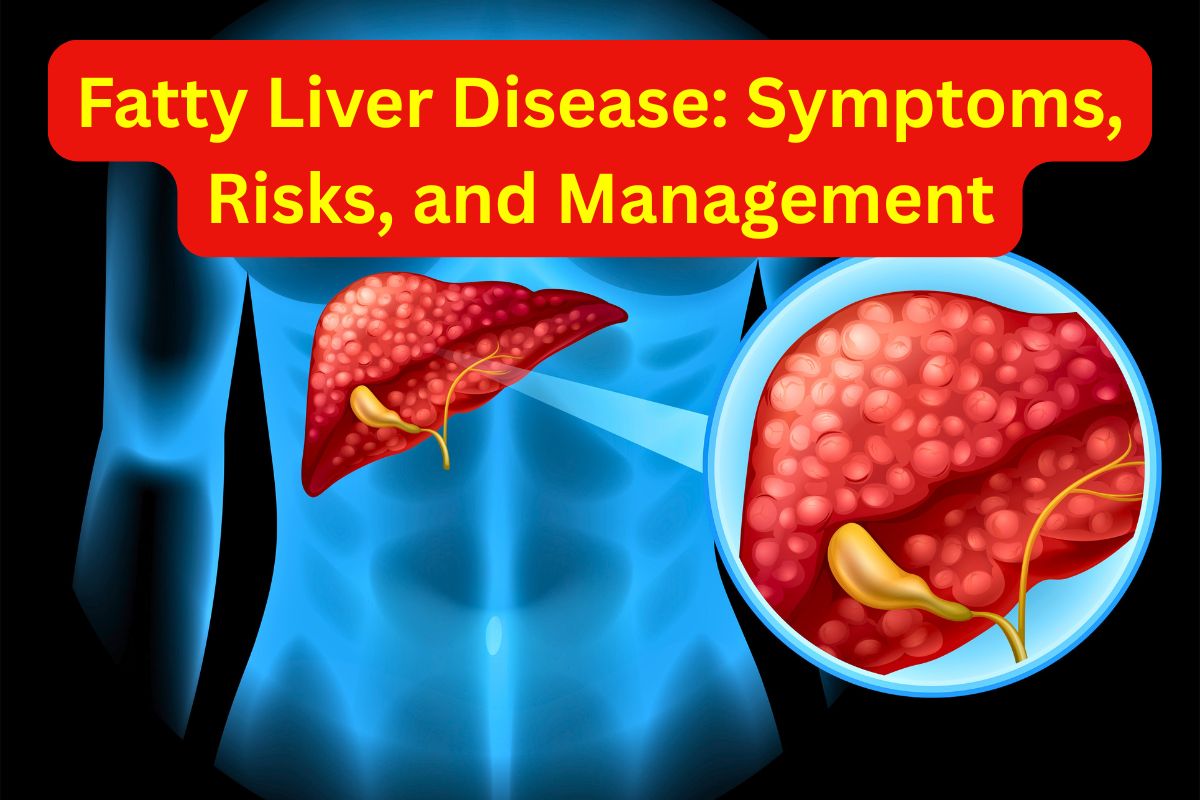
Fatty liver disease is a silent epidemic affecting approximately 25% of adults worldwide. Often called the "silent liver disease," it can develop for years without noticeable symptoms. However, recognizing the early signs of fatty liver is crucial for preventing progression to more serious conditions like cirrhosis or liver failure.
What Is Fatty Liver Disease?
Fatty liver disease, medically known as hepatic steatosis, occurs when excess fat accumulates in liver cells. A healthy liver contains little or no fat, but when fat constitutes more than 5-10% of the liver's weight, it's classified as fatty liver disease.
Two Main Types of Fatty Liver
- Alcoholic Fatty Liver Disease (AFLD): Caused by excessive alcohol consumption, which interferes with liver metabolism and causes fat accumulation.
- Non-Alcoholic Fatty Liver Disease (NAFLD): Develops in people who drink little or no alcohol. NAFLD is strongly associated with obesity, insulin resistance, type 2 diabetes, and high cholesterol levels.
NAFLD is further divided into:
- Simple fatty liver (steatosis): Fat accumulation without inflammation or cell damage
- Non-alcoholic steatohepatitis (NASH): Fat accumulation with inflammation and liver cell damage
- Fibrosis and cirrhosis: Advanced scarring that can lead to liver failure
4 Stages of Fatty Liver Disease Progression
Fat accumulation without inflammation. Usually reversible with lifestyle changes.
Fat with inflammation and liver cell damage. Requires medical intervention.
Persistent inflammation causing scar tissue. Liver function begins to decline.
Severe scarring replaces healthy tissue. Liver failure risk increases significantly.
Early Symptoms of Fatty Liver Disease
Many people with early-stage fatty liver experience no symptoms, which is why it's often discovered incidentally during routine blood tests. However, some may notice subtle signs:
Fatigue and Low Energy
Persistent tiredness that doesn't improve with rest is one of the most common early signs of fatty liver. The liver processes toxins and produces energy; when compromised, fatigue often results.
Right Upper Abdominal Discomfort
A dull ache or feeling of fullness under the right rib cage where the liver is located. This discomfort may worsen after eating fatty meals.
Unexplained Weight Changes
While many with fatty liver are overweight, some experience unexplained weight loss due to reduced appetite or the body's altered metabolism.
Advanced Fatty Liver Symptoms
As fatty liver progresses to NASH or cirrhosis, symptoms become more pronounced:
| Symptom | Description | Stage When Typically Appears |
|---|---|---|
| Jaundice | Yellowing of skin and eyes due to bilirubin buildup | Advanced NASH or Cirrhosis |
| Abdominal Swelling (Ascites) | Fluid accumulation in the abdomen causing distension | Cirrhosis |
| Leg Edema | Swelling in legs and ankles from fluid retention | Advanced Disease |
| Easy Bruising/Bleeding | Reduced production of clotting factors | Moderate to Severe |
| Dark Urine | Tea-colored urine from excess bilirubin | Various Stages |
| Itchy Skin | Generalized itching without rash | Moderate to Advanced |
Fatty Liver Disease Risk Factors
Understanding your risk factors can help with early detection and prevention:
Primary Risk Factors
- Obesity: Especially abdominal obesity (waist circumference >35 inches in women, >40 inches in men)
- Type 2 Diabetes: Insulin resistance drives fat accumulation in the liver
- Metabolic Syndrome: Combination of high blood pressure, high blood sugar, excess body fat, and abnormal cholesterol
- High Cholesterol/Triglycerides: Particularly elevated triglyceride levels
- Rapid Weight Loss: Extreme dieting can worsen fatty liver
Secondary Risk Factors
- Certain Medications: Including corticosteroids, tamoxifen, amiodarone
- Sleep Apnea: Associated with insulin resistance
- Polycystic Ovary Syndrome (PCOS): Often linked with insulin resistance
- Hypothyroidism: Can affect metabolism and weight
- Genetic Predisposition: Family history increases risk
How Is Fatty Liver Diagnosed?
Fatty liver is often discovered during routine exams. Diagnostic methods include:
Blood Tests
- Liver Function Tests (LFTs): Elevated ALT and AST enzymes may indicate liver inflammation
- Complete Blood Count: Can show signs of infection or anemia
- Lipid Profile: Checks cholesterol and triglyceride levels
- Fasting Blood Sugar/HbA1c: Assesses diabetes risk
Imaging Studies
- Ultrasound: Most common initial imaging test; shows bright liver tissue indicating fat
- FibroScan (Transient Elastography): Measures liver stiffness to assess fibrosis
- CT Scan or MRI: More detailed imaging, can quantify fat percentage
Liver Biopsy
The gold standard for diagnosis but invasive. Usually reserved for cases where diagnosis is unclear or advanced disease is suspected.
How to Reverse Fatty Liver Naturally
The good news: fatty liver is often reversible with lifestyle changes, especially in early stages. Here's a comprehensive approach:
Fatty Liver Diet: Foods to Eat and Avoid
Weight Loss Strategies
- Aim for 5-10% weight loss: This can reduce liver fat by up to 80%
- Lose weight gradually: 1-2 pounds per week is ideal; rapid weight loss can worsen fatty liver
- Focus on visceral fat: Belly fat reduction specifically benefits liver health
- Combine diet and exercise: Most effective approach for sustained results
Exercise Recommendations
- Aerobic exercise: 150+ minutes per week of moderate activity (brisk walking, cycling, swimming)
- Strength training: 2-3 times weekly to build muscle and improve insulin sensitivity
- High-Intensity Interval Training (HIIT): May be particularly effective for reducing liver fat
- Stay consistent: Regular activity is more important than intensity
Supplements with Evidence
- Vitamin E: Antioxidant that may reduce inflammation in non-diabetic patients
- Omega-3 Fatty Acids: Found in fish oil; can lower liver fat and triglycerides
- Milk Thistle (Silymarin): Traditional liver tonic with antioxidant properties
- Berberine: Natural compound that improves insulin sensitivity
- Always consult your doctor before starting any supplements
Frequently Asked Questions About Fatty Liver
Yes, in most cases, especially during early stages (simple steatosis). With appropriate lifestyle changes including weight loss, dietary improvements, and regular exercise, liver fat can be significantly reduced or eliminated. However, advanced stages with fibrosis or cirrhosis may cause permanent damage.
With consistent lifestyle changes, improvement can be seen in as little as 2-3 months. Significant reduction in liver fat typically occurs within 6-12 months of sustained weight loss (5-10% of body weight) and dietary changes. Regular monitoring with your doctor is important to track progress.
The Mediterranean diet is often recommended for fatty liver. Key foods include: leafy greens, cruciferous vegetables (broccoli, cauliflower), fatty fish (salmon, mackerel), nuts (especially walnuts), olive oil, coffee, green tea, garlic, and turmeric. These foods reduce inflammation and improve liver function.
Yes, it's possible to have fatty liver with normal ALT and AST levels, especially in early stages. About 20-30% of people with NAFLD have normal liver enzymes. Imaging tests like ultrasound may be needed for diagnosis if fatty liver is suspected despite normal blood work.
Early-stage fatty liver is generally not immediately dangerous but requires attention to prevent progression. If left untreated, it can progress to NASH (inflammation), fibrosis, cirrhosis, and in some cases, liver cancer or liver failure. The condition also increases risk of heart disease and type 2 diabetes.
Conclusion: Taking Control of Your Liver Health
Fatty liver disease is a common but often preventable condition. Recognizing the early symptoms of fatty liver and understanding your risk factors are crucial first steps. The most effective approach combines:
- Regular screening if you have risk factors (obesity, diabetes, metabolic syndrome)
- Lifestyle modification including a Mediterranean-style diet and regular exercise
- Weight management aiming for 5-10% reduction if overweight
- Medical supervision for monitoring and possible medication if needed
If you suspect you might have fatty liver or have been diagnosed, work closely with your healthcare provider to develop a personalized plan. With commitment to lifestyle changes, most people can significantly improve their liver health and reduce their risk of serious complications.