
Empowering Your Health Through Insightful Reports
At 41 years old, Susana Moreira has become a name known across Chile—not for political power or celebrity status, but because of her deeply personal and painful story. Susana Moreira lives every moment of her life confined to a bed. Muscular dystrophy has stolen the use of her muscles, stripped away her independence, and left her physically dependent on others for nearly everything. Her mind, however, remains sharp. Her heart still beats. Her spirit still wants to be heard. And right now, the voice of Susana Moreira is echoing across a country locked in a bitter and emotional debate: should Chile allow euthanasia?
Susana Moreira doesn’t want to die out of despair. She wants to die because the life she is currently enduring no longer feels like living. She isn’t asking for anything extraordinary. She’s asking for the legal right to die with dignity, on her terms, in peace, surrounded by compassion instead of pain. The Susana petition has sparked a national discussion around the euthanasia laws in Chile—laws that, so far, continue to leave patients as victims for far too long.
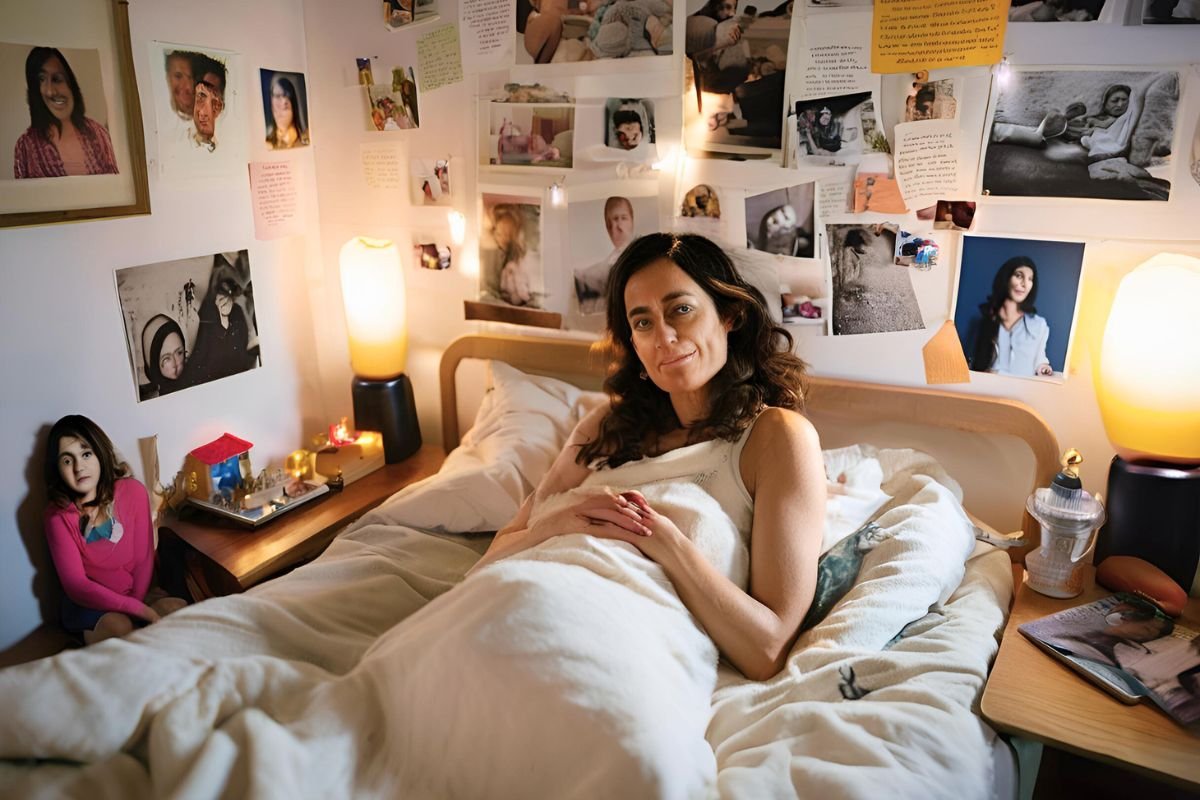
In 2021, Chile seemed to be on the verge of progress. A bill supporting the right to euthanasia passed the lower house of Congress. It was a moment of hope for thousands of families, patients, and advocates who had long campaigned for this human right. But the victory was short-lived. The bill stalled in the Senate and hasn’t moved forward since.
Despite widespread public support and the backing of President Gabriel Boric, the law has not been passed. There has been no vote. No public hearing. Just silence. For Susana Moreira and many others like her, that silence is deafening. Every day the law remains in limbo is another day spent in unnecessary pain.
The delay reflects a painful contradiction: although the public increasingly supports euthanasia as a compassionate option for those in unrelenting suffering, political action continues to lag far behind the people’s will. Why? The reasons are complex—rooted in religious influence, cultural conservatism, and a fear of making a mistake on an issue so delicate and deeply personal.
For those unfamiliar with muscular dystrophy, it’s a group of genetic disorders that gradually weaken the muscles. Over time, even basic tasks—like eating, speaking, or breathing—can become impossible without assistance. There is no cure. Just a slow, irreversible loss of function.
Susana Moreira was diagnosed as a child. She’s spent her entire life adapting to her body’s decline. But now, after four decades of resistance and resilience, she is exhausted. She says her quality of life has deteriorated to the point where the pain outweighs any joy. It’s not just physical pain—it’s the emotional toll of losing all autonomy, of being trapped in a body that can’t move but still feels everything.
People often say, “As long as there’s life, there’s hope.” But what if life becomes a form of prolonged suffering? What if continuing to live is the opposite of hope? Susana’s story brings these hard questions into the spotlight.
The tide of public opinion in Chile has shifted. Recent polls show that close to 90% of Chileans support legalizing euthanasia under specific circumstances—especially for terminally ill patients or those facing incurable, painful conditions like Susana’s.
This level of support cuts across political lines. It reflects a shared understanding that compassion and dignity should play a central role in end-of-life care. Families who’ve watched loved ones suffer during their final days know this firsthand. They’ve witnessed the agony. They’ve held the hands of parents, spouses, or siblings who begged for release.
And now, many of those same families are joining the push for change. They’re saying enough is enough. No more stalling. No more leaving vulnerable people without options.
As with any major societal issue, there is opposition—and it’s not to be dismissed lightly.
The Catholic Church, still influential in Chilean society, remains firmly against euthanasia. Religious leaders argue that life is sacred from conception to natural death. Taking any action to end life, even to relieve suffering, is seen as morally unacceptable.
Conservative lawmakers and groups echo these concerns. They worry that legal euthanasia could lead to abuse or be used as a way to cut medical costs. Some argue that vulnerable people—especially the elderly or disabled—might feel pressured to choose death so they don’t burden their families.
Others point to the importance of improving palliative care. And they’re right—palliative care should be a priority. But for some patients, like Susana, palliative care is already in place. She is not asking for better comfort. She is asking for a final, peaceful escape from the constant, inescapable burden of existence in a body that has given up.
These ethical debates are valid and necessary. But they should not become a reason for indefinite delay. At the heart of the matter lies a simple question: can we give people the right to choose dignity over pain?
Chile is not navigating these waters alone. Around the world, countries have faced the same questions and come to different conclusions—but many have moved toward compassion-driven legislation.
In Latin America, Colombia was the first country to legalize euthanasia. Its laws include strict guidelines to ensure that only those who meet specific criteria—such as terminal illness or unbearable suffering—can access the procedure. Colombia’s model has inspired other nations in the region and shown that a humane, regulated system is possible.
Canada also allows medically assisted dying under carefully monitored conditions. In Europe, countries like Belgium, the Netherlands, and Switzerland have long supported euthanasia as a legal right. Their experiences show that when safeguards are in place, abuse is rare and people are empowered to make deeply personal decisions without fear or shame.
Chile has the opportunity to learn from these nations—not by copying them blindly, but by crafting its own compassionate, ethical, and transparent framework that puts patients first.
Susana Moreira has become the unexpected symbol of a movement. She isn’t a politician. She doesn’t have a massive following or a platform filled with resources. All she has is her truth—and the courage to speak it.
Using her phone, she’s shared videos and messages that have touched thousands of people. Her voice may be soft, but her message is loud: “Let me choose how I leave this world.” That simple plea has broken through political noise and bureaucratic delay. It has reminded the nation that this issue is not about theories or ideologies—it’s about real people facing unbearable realities.
Her bravery has also reignited discussions in the Senate. Some lawmakers are now calling for the euthanasia bill to be brought back into the spotlight. Others are meeting with families, doctors, and ethicists to better understand what it would mean to give patients like Susana the right to a peaceful death.
In many ways, Susana has already changed the conversation. Now, the question is whether Chile’s leaders will listen—and act.
One of the biggest misconceptions about euthanasia is that it’s an act of giving up. That it reflects hopelessness or selfishness. But the truth is often the opposite.
For many patients, choosing to die is the most courageous decision they’ll ever make. This means that death has to be faced, not in fear, but in peace. This means asking for control—not in the beginning of life, which none of us choose—but in its last moments.
For Susana, this option is not about disappointment. It is about dignity. It is about deciding how her story ends. She has endured more than most of us. She is held every hour, fighting for each breath for years. And now she is just seeking permission to let go—with grace, and without pain.
The origin of euthanasia in Chile is a fundamental human question at the core of debate: Do we trust people to make an option about our lives and deaths?
The fight for Susana is not just her own. This is a fight for all those who may face the same fate one day—unbearable pain, incurable disease, or surviving with the total loss of autonomy. This is a fight for future generations that deserve better options and more human laws.
This isn’t about creating a culture of death. It’s about creating a society that values the full spectrum of life—including how it ends. A society that says, “We see your suffering. And we will not force you to endure more than you can bear.”
The time to act is now.
The longer the Senate delays, the more people are left in limbo—trapped between life and death, between suffering and peace, without legal options. Susana Moreira’s case has reminded the nation of what’s at stake. But she should not have to carry this burden alone.
Chile can be a leader in Latin America. It can take a bold, compassionate step toward recognizing euthanasia not as an escape, but as a fundamental human right in certain cases. The country has already shown its capacity for progress. Now it must show its capacity for empathy.
If the law passes, it will be because people like Susana were brave enough to speak out—and because a nation was brave enough to listen.
Euthanasia is not about choosing death. It’s about choosing how life ends.
For some, that end comes peacefully, surrounded by family. For others, it comes through years of silent agony. In a just society, both should have a choice.
Susana Moreira’s request is not a cry for death. It’s a plea for dignity. For freedom. For control in a life where control has been stripped away by illness.
Chile has the chance to show the world that it values compassion over fear, empathy over delay, and human dignity over outdated laws. The Senate can choose to listen—not just to Susana, but to every person silently suffering in rooms we may never see.
Let them go in peace. Let them go with love. Let them choose.