What Is a Cystogram? Here Is What You Need to Know!
Published on August 4, 2026 | Reviewed by Dr. Alan Whitfield, MD, FACP
If your doctor just told you that you need a cystogram, there's a good chance your first move was to open your phone and type "what is a cystogram" into Google. You're not alone. It's one of those tests almost nobody has heard of until they're the one lying on the table with a catheter in place, wondering what's about to happen. So let's walk through it together, in plain language, so you know exactly what's coming.
- A cystogram is an outpatient test — you go home the same day.
- It uses contrast fluid and X-ray (or CT) imaging to picture the bladder.
- The full cystogram procedure usually takes 30 to 45 minutes.
- A CT cystogram is a more detailed version, often used after trauma.
What Is a Cystogram, Exactly?
A cystogram is a radiology exam used to look at the shape, size, and function of the bladder. During the test, a radiologist fills your bladder with a special contrast fluid through a thin tube called a catheter. Once the bladder is full, X-ray images are taken from a few different angles. Because the contrast fluid shows up clearly on X-ray, it outlines the bladder wall and lets doctors spot problems that wouldn't be visible on a regular scan.
So when someone asks what is cystogram testing actually used for, the answer usually comes down to one of these reasons:
- Checking for a tear or leak in the bladder wall, often after an injury or surgery
- Investigating urine flowing backward from the bladder into the kidneys (vesicoureteral reflux)
- Diagnosing recurring urinary tract infections, especially in children
- Evaluating the bladder before or after certain surgeries
- Looking for a fistula, an abnormal connection between the bladder and another organ
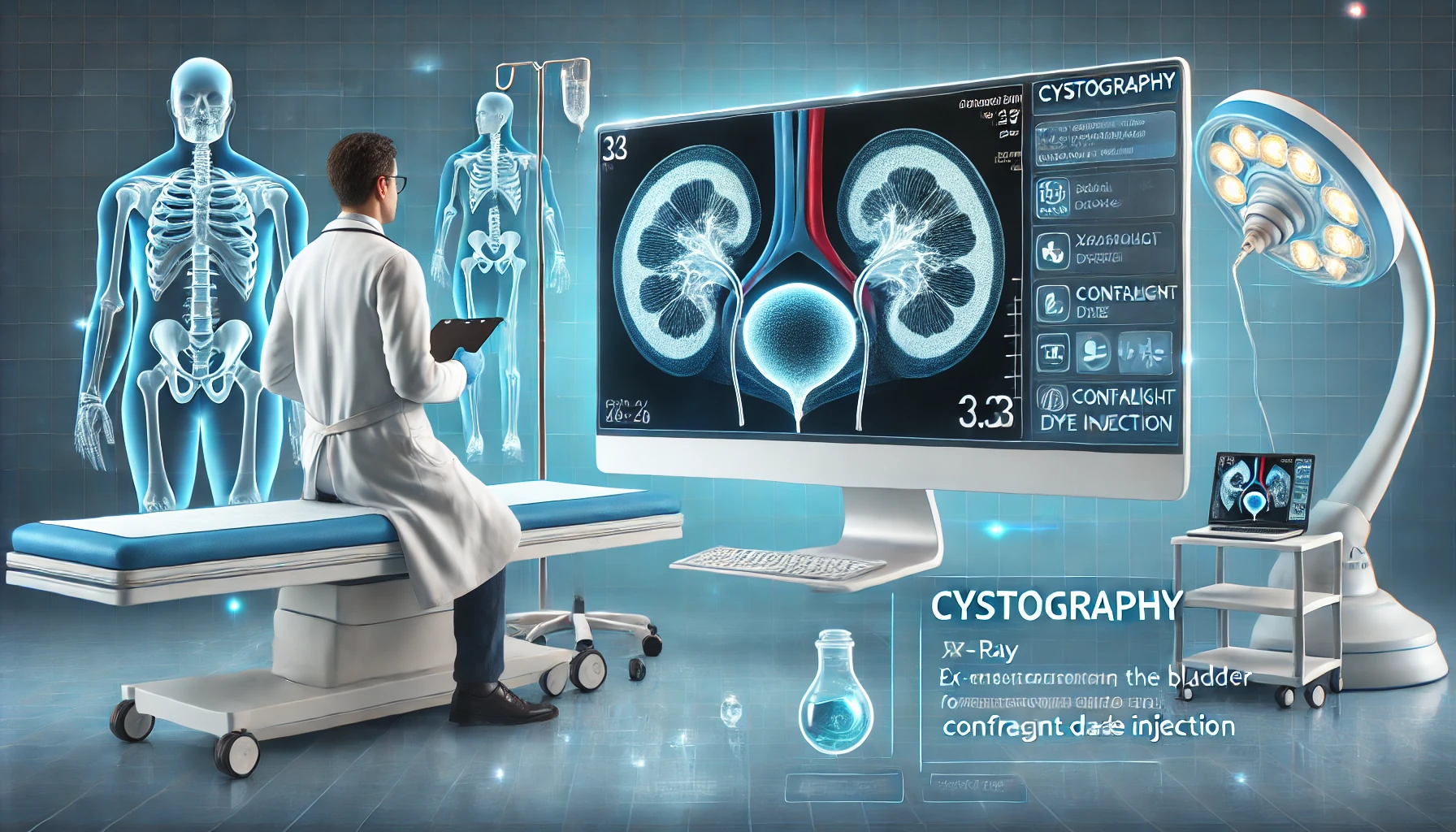
It's worth noting a cystogram is not the same as a cystoscopy. A cystoscopy uses a small camera to physically look inside the bladder, while a cystogram relies on X-ray imaging and contrast fluid. The names sound similar, but the tests are quite different — an easy mix-up when you're first researching this.
What Is a Cystogram Procedure? Step by Step
Understanding what a cystogram procedure actually involves tends to calm most people's nerves more than anything else. Here's roughly how it goes:
- Preparation. In most cases, you don't need to fast beforehand, and there's no special diet involved.
- Catheter placement. A nurse or radiologic technologist inserts a thin, flexible catheter through the urethra and into the bladder. This is usually the most uncomfortable moment of the whole test, but it's brief.
- Filling the bladder. Contrast fluid is slowly released into the bladder through the catheter. You might feel a sense of fullness or mild pressure, similar to needing to urinate.
- Imaging. Once the bladder is adequately filled, X-ray images are taken while you're lying down and sometimes while standing or turning to different positions. In a voiding cystourethrogram (VCUG), additional images are taken while you actually urinate, to check how the bladder empties.
- Catheter removal and recovery. The catheter is removed, you're given a chance to empty your bladder fully, and you're typically free to go home the same day.
How Long Does a Cystogram Take?
This is probably the single most-searched question about this test, and for good reason — nobody likes an open-ended appointment. In general, the actual test itself takes somewhere between 30 and 45 minutes. That includes catheter placement, filling the bladder, taking the images, and removing the catheter.
That said, plan for a bit more time at the facility overall. Between check-in, paperwork, waiting for the imaging suite to be ready, and a short recovery period afterward, most people are at the clinic or hospital for around one to one and a half hours. Children, or patients who need sedation, sometimes take a little longer because the team moves more slowly and carefully.
As for how long a cystogram takes to affect your day-to-day plans afterward, the honest answer is: not much. Mild discomfort while urinating, or a slightly pink tinge to your urine, is common for a day or so. Drinking extra water afterward tends to help flush things out and ease any burning sensation.
What Is a CT Cystogram?
Once people understand the standard cystogram, the next question is almost always what is a CT cystogram, and how is it different?
A CT cystogram follows the same basic idea — filling the bladder with contrast fluid through a catheter — but instead of standard X-ray images, it uses a CT (computed tomography) scanner. A CT scanner takes a series of cross-sectional images and builds them into a detailed, layered picture of the bladder and surrounding structures.
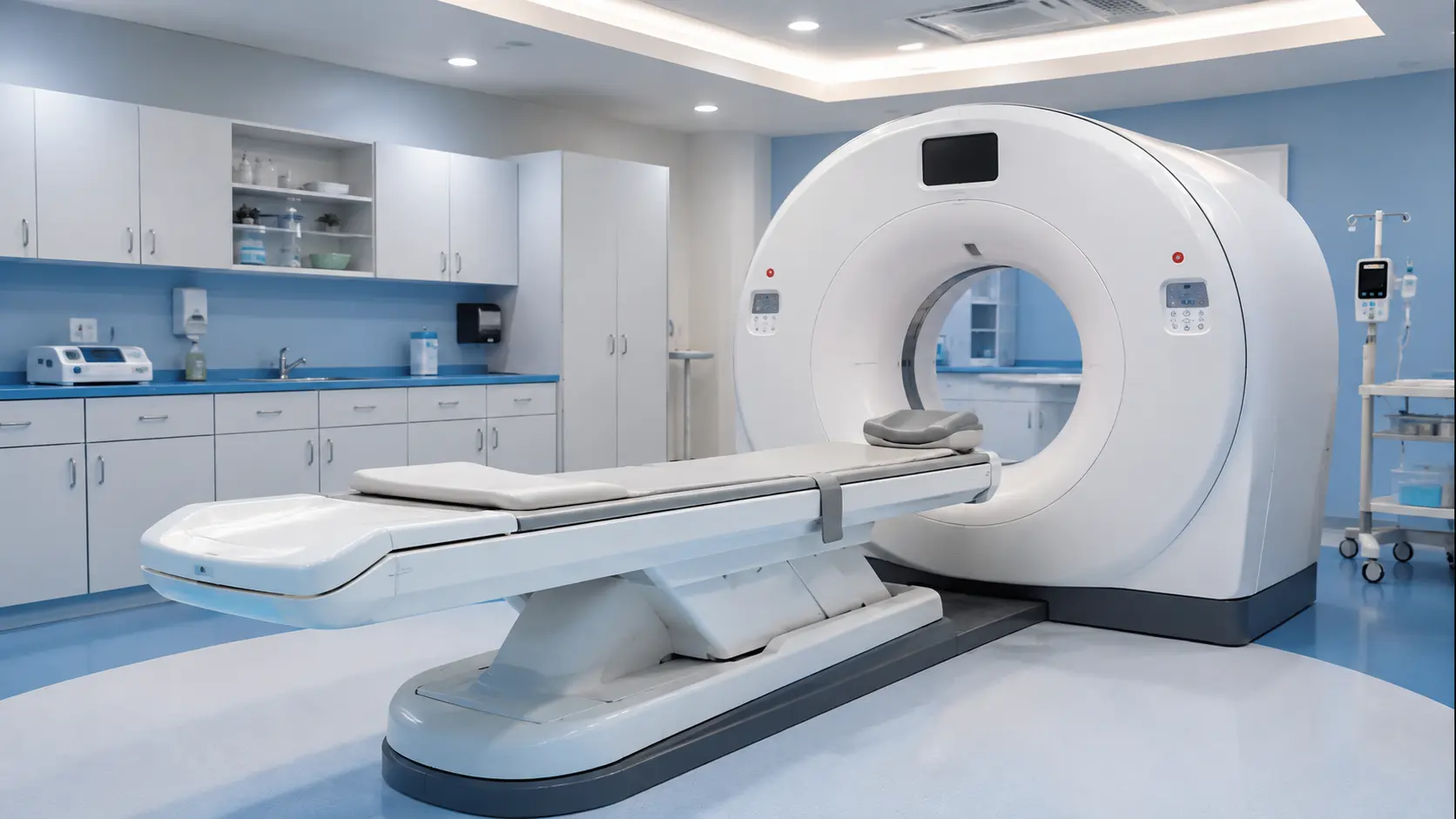
Why would a doctor choose a CT cystogram over a standard one? A few common reasons:
- Trauma cases. After a pelvic injury or car accident, doctors often need a highly detailed view to check for a bladder rupture, and CT provides that level of detail.
- Complex anatomy. CT imaging can pick up subtle leaks or injuries that might be missed on a standard X-ray cystogram.
- Combined imaging. Since trauma patients are often already getting a CT scan of the abdomen and pelvis, adding a CT cystogram can be done in the same session, saving an extra visit.
The trade-off is that CT scans use a higher dose of radiation than a standard X-ray cystogram, so doctors reserve it for cases where the extra detail genuinely changes the diagnosis or treatment plan.
Is a Cystogram Painful?
Most people describe a cystogram as uncomfortable rather than painful. The catheter insertion is the part patients worry about most, and while it's not exactly pleasant, it's over quickly and technologists are experienced at making it as smooth as possible. The sensation of the bladder filling with contrast fluid can feel similar to holding in urine after drinking a lot of water — a pressure that builds and then releases once the catheter is removed.
Local numbing gel is often used before catheter placement to reduce discomfort. If you're anxious about pain tolerance, it's completely reasonable to mention this to your care team beforehand; they can walk you through what to expect and, in some cases, offer additional comfort measures.
Preparing for Your Cystogram
There isn't usually much prep work involved, but a few things can make the appointment go more smoothly:
- Wear loose, comfortable clothing that's easy to change out of.
- Let your doctor know about any allergies, particularly to contrast dye or latex.
- Mention if you're pregnant or think you might be, since imaging protocols may need to be adjusted.
- Bring a list of current medications, especially blood thinners.
- Plan to have someone drive you home if sedation is part of your specific procedure.
What Happens After the Test?
Once your cystogram is complete, a radiologist reviews the images and sends a report to the doctor who ordered the test. Results typically take anywhere from a day to about a week, depending on how urgent the situation is and how busy the imaging center happens to be.
Mild symptoms afterward — a slight burning sensation, urinary frequency, or light spotting — usually resolve within 24 to 48 hours. Drinking plenty of water helps flush the bladder and speeds up recovery. Contact your doctor if you develop a fever, notice heavy bleeding, can't urinate at all, or feel severe pain, since these can be signs of an infection or complication that needs prompt attention.
Final Thoughts
A cystogram might sound intimidating the first time you hear the word, but once you understand what it actually involves, it's a fairly routine and well-tolerated test. Whether your doctor has ordered a standard cystogram or a CT cystogram, the goal is the same: to get a clear picture of what's going on inside your bladder so you can get the right treatment as quickly as possible.
