Fatty Liver Disease Symptoms: Early Warning Signs & Treatment 2025
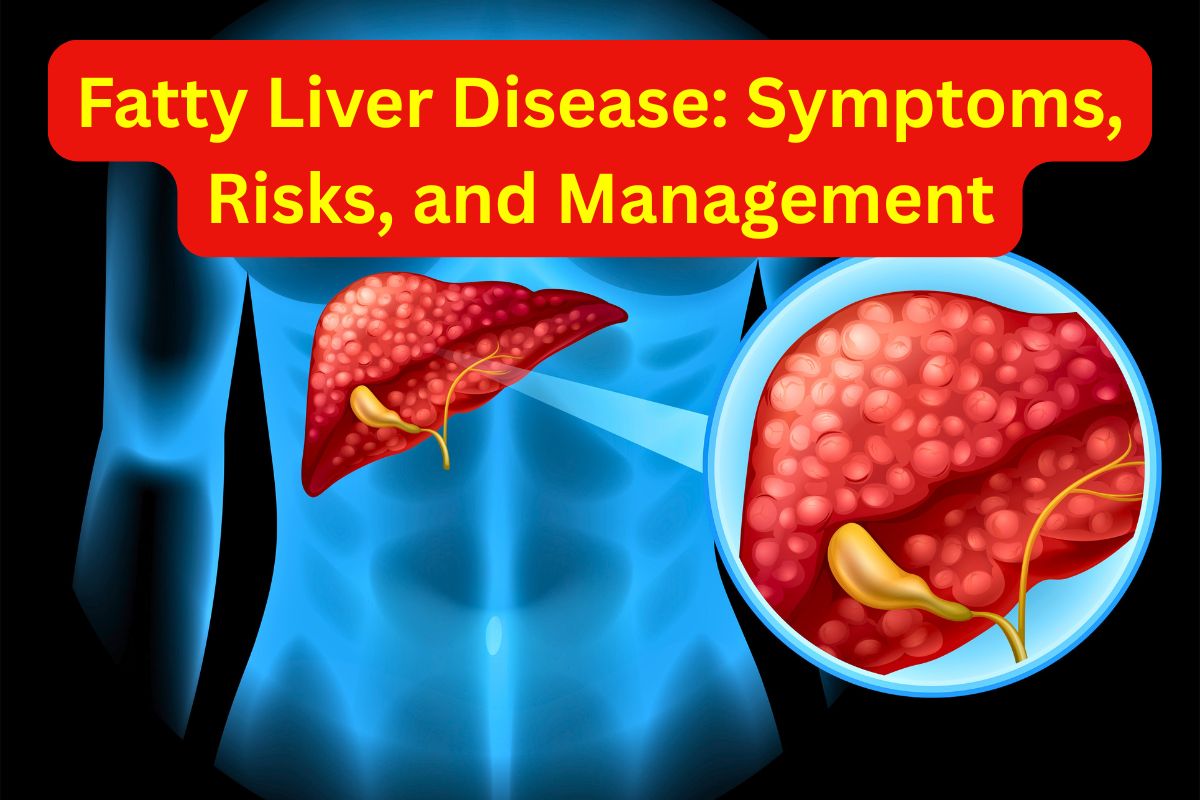
Fatty liver disease is a silent epidemic affecting approximately 25% of adults worldwide. Often called the "silent liver disease," it can develop for years without noticeable symptoms. However, recognizing the early signs of fatty liver is crucial for preventing progression to more serious conditions like cirrhosis or liver failure.
What Is Fatty Liver Disease?
Fatty liver disease, medically known as hepatic steatosis, occurs when excess fat accumulates in liver cells. A healthy liver contains little or no fat, but when fat constitutes more than 5-10% of the liver's weight, it's classified as fatty liver disease.
Two Main Types of Fatty Liver
- Alcoholic Fatty Liver Disease (AFLD): Caused by excessive alcohol consumption, which interferes with liver metabolism and causes fat accumulation.
- Non-Alcoholic Fatty Liver Disease (NAFLD): Develops in people who drink little or no alcohol. NAFLD is strongly associated with obesity, insulin resistance, type 2 diabetes, and high cholesterol levels.
NAFLD is further divided into:
- Simple fatty liver (steatosis): Fat accumulation without inflammation or cell damage
- Non-alcoholic steatohepatitis (NASH): Fat accumulation with inflammation and liver cell damage
- Fibrosis and cirrhosis: Advanced scarring that can lead to liver failure
4 Stages of Fatty Liver Disease Progression
Fat accumulation without inflammation. Usually reversible with lifestyle changes.
Fat with inflammation and liver cell damage. Requires medical intervention.
Persistent inflammation causing scar tissue. Liver function begins to decline.
Severe scarring replaces healthy tissue. Liver failure risk increases significantly.
Early Symptoms of Fatty Liver Disease
Many people with early-stage fatty liver experience no symptoms, which is why it's often discovered incidentally during routine blood tests. However, some may notice subtle signs:
Fatigue and Low Energy
Persistent tiredness that doesn't improve with rest is one of the most common early signs of fatty liver. The liver processes toxins and produces energy; when compromised, fatigue often results.
Right Upper Abdominal Discomfort
A dull ache or feeling of fullness under the right rib cage where the liver is located. This discomfort may worsen after eating fatty meals.
Unexplained Weight Changes
While many with fatty liver are overweight, some experience unexplained weight loss due to reduced appetite or the body's altered metabolism.
Advanced Fatty Liver Symptoms
As fatty liver progresses to NASH or cirrhosis, symptoms become more pronounced:
| Symptom | Description | Stage When Typically Appears |
|---|---|---|
| Jaundice | Yellowing of skin and eyes due to bilirubin buildup | Advanced NASH or Cirrhosis |
| Abdominal Swelling (Ascites) | Fluid accumulation in the abdomen causing distension | Cirrhosis |
| Leg Edema | Swelling in legs and ankles from fluid retention | Advanced Disease |
| Easy Bruising/Bleeding | Reduced production of clotting factors | Moderate to Severe |
| Dark Urine | Tea-colored urine from excess bilirubin | Various Stages |
| Itchy Skin | Generalized itching without rash | Moderate to Advanced |
Fatty Liver Disease Risk Factors
Understanding your risk factors can help with early detection and prevention:
Primary Risk Factors
- Obesity: Especially abdominal obesity (waist circumference >35 inches in women, >40 inches in men)
- Type 2 Diabetes: Insulin resistance drives fat accumulation in the liver
- Metabolic Syndrome: Combination of high blood pressure, high blood sugar, excess body fat, and abnormal cholesterol
- High Cholesterol/Triglycerides: Particularly elevated triglyceride levels
- Rapid Weight Loss: Extreme dieting can worsen fatty liver
Secondary Risk Factors
- Certain Medications: Including corticosteroids, tamoxifen, amiodarone
- Sleep Apnea: Associated with insulin resistance
- Polycystic Ovary Syndrome (PCOS): Often linked with insulin resistance
- Hypothyroidism: Can affect metabolism and weight
- Genetic Predisposition: Family history increases risk
How Is Fatty Liver Diagnosed?
Fatty liver is often discovered during routine exams. Diagnostic methods include:
Blood Tests
- Liver Function Tests (LFTs): Elevated ALT and AST enzymes may indicate liver inflammation
- Complete Blood Count: Can show signs of infection or anemia
- Lipid Profile: Checks cholesterol and triglyceride levels
- Fasting Blood Sugar/HbA1c: Assesses diabetes risk
Imaging Studies
- Ultrasound: Most common initial imaging test; shows bright liver tissue indicating fat
- FibroScan (Transient Elastography): Measures liver stiffness to assess fibrosis
- CT Scan or MRI: More detailed imaging, can quantify fat percentage
Liver Biopsy
The gold standard for diagnosis but invasive. Usually reserved for cases where diagnosis is unclear or advanced disease is suspected.
How to Reverse Fatty Liver Naturally
The good news: fatty liver is often reversible with lifestyle changes, especially in early stages. Here's a comprehensive approach:
Fatty Liver Diet: Foods to Eat and Avoid
Weight Loss Strategies
- Aim for 5-10% weight loss: This can reduce liver fat by up to 80%
- Lose weight gradually: 1-2 pounds per week is ideal; rapid weight loss can worsen fatty liver
- Focus on visceral fat: Belly fat reduction specifically benefits liver health
- Combine diet and exercise: Most effective approach for sustained results
Exercise Recommendations
- Aerobic exercise: 150+ minutes per week of moderate activity (brisk walking, cycling, swimming)
- Strength training: 2-3 times weekly to build muscle and improve insulin sensitivity
- High-Intensity Interval Training (HIIT): May be particularly effective for reducing liver fat
- Stay consistent: Regular activity is more important than intensity
Supplements with Evidence
- Vitamin E: Antioxidant that may reduce inflammation in non-diabetic patients
- Omega-3 Fatty Acids: Found in fish oil; can lower liver fat and triglycerides
- Milk Thistle (Silymarin): Traditional liver tonic with antioxidant properties
- Berberine: Natural compound that improves insulin sensitivity
- Always consult your doctor before starting any supplements
Comprehensive Lifestyle Management for Fatty Liver Reversal
A thorough and multifaceted strategy for the reversal of fatty liver disease is consistently emphasized by hepatologists and nutrition experts. It is widely understood that no solitary intervention is sufficient; instead, an integrated approach combining dietary modifications, increased physical activity, stress reduction, and careful supplementation is required. The overarching objective is the gradual reduction of intrahepatic fat and the normalization of liver enzyme profiles, a process that demands sustained commitment and patience.
The Fatty Liver Reversal Diet in Detail
In the management of NAFLD, a nutrient-dense eating pattern is strongly advocated. Foods that are recognized for their hepatoprotective properties are to be systematically incorporated into daily meals. For instance, leafy green vegetables such as spinach, kale, and arugula are recommended because they are abundantly supplied with antioxidants and dietary fiber. Cruciferous vegetables like broccoli, cauliflower, and Brussels sprouts are believed to assist in the detoxification pathways of the liver. Vibrantly colored berries—especially blueberries, strawberries, and raspberries—are prized for their high concentrations of anthocyanins, which have been demonstrated in clinical studies to attenuate liver inflammation.
Whole grains, including oats, quinoa, brown rice, and barley, are to be favored over refined grain products. These complex carbohydrates are digested more slowly, helping to stabilize blood glucose and insulin levels. Lean protein sources from fish, skinless poultry, legumes, and tofu are encouraged, whereas red and processed meats are to be strictly limited due to their association with heightened liver fat accumulation. Healthy unsaturated fats, particularly those derived from extra-virgin olive oil, avocados, almonds, walnuts, and flaxseeds, are to be used generously, as they have been shown to improve lipid profiles and directly reduce hepatic steatosis.
Conversely, added sugars—especially high-fructose corn syrup found in soft drinks, sweetened teas, and many packaged snacks—are to be eliminated entirely, as their hepatic metabolism directly promotes lipogenesis and fat storage within the liver. Refined carbohydrates such as white bread, pastries, and white pasta are similarly to be avoided. The consumption of trans fats, often present in fried and commercially baked goods, is strongly discouraged because they exacerbate insulin resistance and liver injury. A well-formulated **fatty liver reversal diet** is, therefore, centered on whole, unprocessed foods and is inherently low in sugar and harmful fats.
Physical Activity and Liver Enzyme Normalization
The critical role of regular physical exercise in achieving **liver enzyme normalization** cannot be overstated. It is recommended that moderate-intensity aerobic activity be performed for at least 150 minutes per week. Brisk walking, jogging, cycling, and swimming are all considered effective modalities. Resistance training, undertaken two to three times per week, is also strongly encouraged, as it enhances insulin sensitivity and helps build lean muscle mass, which in turn improves metabolic health. High-intensity interval training (HIIT) has been shown to rapidly reduce liver fat and is often suggested for individuals who can tolerate higher exertion levels. Importantly, consistency is valued over sheer intensity; even modest daily movement—such as taking the stairs or a short walk—is considered beneficial for sustained hepatic health. It has been consistently observed that exercise independently reduces liver fat, even in the absence of significant weight loss.
Stress, Sleep, and Hormonal Balance
Chronic psychological stress is known to aggravate fatty liver disease by elevating circulating cortisol, a hormone that promotes insulin resistance and central adiposity. For this reason, stress-reduction techniques are frequently incorporated into holistic **NAFLD natural treatment** protocols. Practices such as mindfulness meditation, deep-breathing exercises, gentle yoga, and progressive muscle relaxation are commonly advised. These methods have been reported to lower perceived stress and improve biochemical markers of liver health.
Adequate, restorative sleep is also deemed essential. A regular sleep schedule of seven to eight hours per night is recommended, because sleep deprivation has been linked to metabolic dysregulation, increased hunger hormones, and worsened liver steatosis. A cool, dark sleeping environment and the avoidance of electronic screens before bedtime are simple measures that are often suggested for optimizing sleep quality.
Liver Health Supplements and Hepatic Steatosis Management
In the context of **hepatic steatosis management**, certain nutritional supplements are sometimes recommended as adjuncts to dietary and lifestyle changes. Milk thistle (standardized to silymarin) is widely utilized for its hepatoprotective and anti-inflammatory properties; some clinical studies have indicated an improvement in liver enzyme levels with its use. Omega-3 fatty acids from high-quality fish oil are frequently suggested, as they can significantly lower liver fat content and serum triglycerides. Vitamin E, particularly in non-diabetic adults with biopsy-proven NASH, has been observed to improve histological features of liver inflammation. The plant alkaloid berberine is gaining recognition for its ability to enhance insulin receptor sensitivity and reduce de novo lipogenesis. However, all **liver health supplements** are to be taken exclusively under medical supervision, as inappropriate dosages or combinations may lead to adverse effects. The integration of these natural products into a comprehensive **NAFLD natural treatment** plan is best coordinated by a knowledgeable healthcare provider.
Long-Term Monitoring and Sustained Success
Continuous monitoring of liver health is imperative for successful long-term **hepatic steatosis management**. Liver function tests are to be repeated at regular intervals to track the trajectory of aminotransferase levels. Imaging modalities, such as abdominal ultrasound or FibroScan, are frequently employed to objectively assess changes in hepatic fat fraction and stiffness. It must be understood that the reversal of fatty liver is a gradual process, often requiring six to twelve months of unwavering effort before significant improvements are documented. Relapse is possible if healthy habits are abandoned; therefore, permanent lifestyle restructuring is emphasized over short-term dieting.
Collaboration with a multidisciplinary team—including a registered dietitian, an exercise physiologist, and a hepatologist—is often beneficial. Individualized meal plans, structured exercise prescriptions, and behavioral counseling can be integrated to maximize adherence and outcomes. Ultimately, the successful reversal of fatty liver is contingent upon a lifelong commitment to the principles of sound nutrition, regular physical activity, and stress resilience.
Frequently Asked Questions About Fatty Liver
Yes, in most cases, especially during early stages (simple steatosis). With appropriate lifestyle changes including weight loss, dietary improvements, and regular exercise, liver fat can be significantly reduced or eliminated. However, advanced stages with fibrosis or cirrhosis may cause permanent damage.
With consistent lifestyle changes, improvement can be seen in as little as 2-3 months. Significant reduction in liver fat typically occurs within 6-12 months of sustained weight loss (5-10% of body weight) and dietary changes. Regular monitoring with your doctor is important to track progress.
The Mediterranean diet is often recommended for fatty liver. Key foods include: leafy greens, cruciferous vegetables (broccoli, cauliflower), fatty fish (salmon, mackerel), nuts (especially walnuts), olive oil, coffee, green tea, garlic, and turmeric. These foods reduce inflammation and improve liver function.
Yes, it's possible to have fatty liver with normal ALT and AST levels, especially in early stages. About 20-30% of people with NAFLD have normal liver enzymes. Imaging tests like ultrasound may be needed for diagnosis if fatty liver is suspected despite normal blood work.
Early-stage fatty liver is generally not immediately dangerous but requires attention to prevent progression. If left untreated, it can progress to NASH (inflammation), fibrosis, cirrhosis, and in some cases, liver cancer or liver failure. The condition also increases risk of heart disease and type 2 diabetes.
Conclusion: Taking Control of Your Liver Health
Fatty liver disease is a common but often preventable condition. Recognizing the early symptoms of fatty liver and understanding your risk factors are crucial first steps. The most effective approach combines:
- Regular screening if you have risk factors (obesity, diabetes, metabolic syndrome)
- Lifestyle modification including a Mediterranean-style diet and regular exercise
- Weight management aiming for 5-10% reduction if overweight
- Medical supervision for monitoring and possible medication if needed
If you suspect you might have fatty liver or have been diagnosed, work closely with your healthcare provider to develop a personalized plan. With commitment to lifestyle changes, most people can significantly improve their liver health and reduce their risk of serious complications.

About the Author
Dr. Emily Hart is a board-certified hepatologist with over 15 years of clinical experience in liver disease management. This article was meticulously researched and written by her, drawing on the latest evidence-based guidelines. Dr. Hart is dedicated to patient education and has contributed extensively to research on non-alcoholic fatty liver disease and metabolic liver disorders. Her work has been published in leading medical journals, and she regularly advises health organizations on liver health policies.