When Living Feels Like Suffering: The Voice of Susana Moreira and the Push for a Chile Euthanasia Law
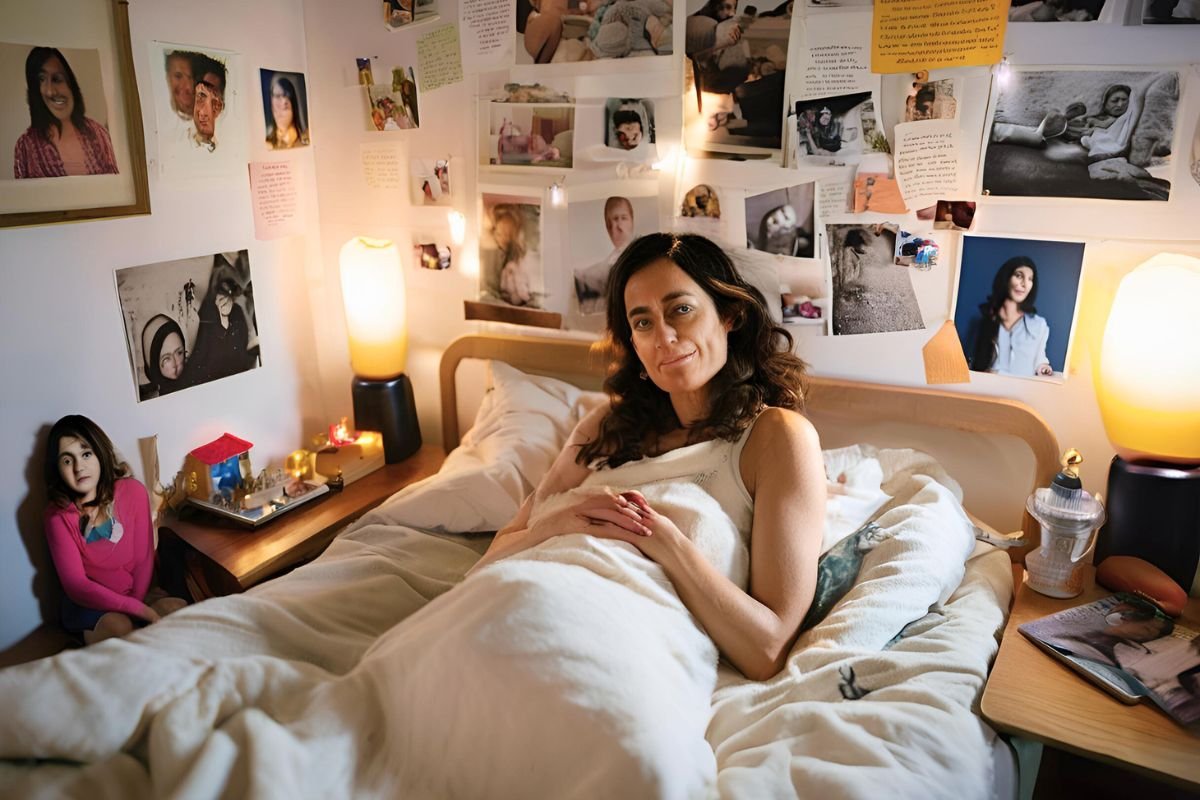
At 41 years old, Susana Moreira has become a name known across Chile—not for political power or celebrity status, but because of her deeply personal and painful story. Confined to a bed by muscular dystrophy, she has lost the use of her muscles and her independence. Yet her mind remains sharp, and her voice is now echoing across a country locked in a bitter debate. The Chile euthanasia law for muscular dystrophy patients has become a national issue because of her. The Susana Moreira euthanasia petition Chile Senate has reignited discussions that had been stalled for years. This article explores the human story behind the headlines and examines the broader implications of the right to die with dignity for terminal illness in Chile. It also looks at the palliative care vs euthanasia debate in South America and offers insights into how to support euthanasia legislation in Latin America.
The Law That Has Never Gone: A Broken Promise in Chile's Senate
In 2021, Chile seemed to be on the verge of progress. A bill supporting the right to euthanasia passed the lower house of Congress. It was a moment of hope for thousands of families, patients, and advocates. But the victory was short-lived. The bill stalled in the Senate and hasn't moved forward since. For Susana Moreira and many others like her, that silence is deafening. Every day the law remains in limbo is another day spent in unnecessary pain.
Muscular Dystrophy and the Reality of Constant Dependence
For those unfamiliar with muscular dystrophy, it's a group of genetic disorders that gradually weaken the muscles. Over time, even basic tasks—like eating, speaking, or breathing—can become impossible without assistance. Susana Moreira was diagnosed as a child and has spent her entire life adapting to her body's decline. Now, after four decades of resistance and resilience, she says her quality of life has deteriorated to the point where the pain outweighs any joy. Her story brings the hardest questions into the spotlight: what if continuing to live is the opposite of hope?
How Public Opinion and Political Will Are Shaped by One Woman’s Courage
When a petition is submitted by a single individual, it rarely captures the attention of an entire nation. But the Susana Moreira euthanasia petition Chile Senate has done exactly that. Through videos and messages shared from her bed, a spotlight has been cast on the stalled legislation. As a result, the debate around the Chile euthanasia law for muscular dystrophy patients has been rekindled. Polls now show that close to 90% of Chileans support legalizing euthanasia under specific circumstances, especially for terminally ill patients or those facing incurable, painful conditions.
The emotional testimony provided by Susana Moreira has been widely circulated. When a face and a voice are attached to an abstract legal debate, public opinion is often moved more forcefully than by statistics alone. This phenomenon has been observed in other countries where right to die with dignity for terminal illness in Chile became a central issue. By humanizing the suffering that muscular dystrophy inflicts, the conversation has shifted from theoretical ethics to the urgent reality of a woman who simply wants to leave this world peacefully.
The Palliative Care vs Euthanasia Debate in South America
Within the broader discussion, the palliative care vs euthanasia debate in South America has gained traction. Opponents of euthanasia often argue that improving palliative care should be the priority. They contend that if pain can be managed, the desire for death will diminish. While this position is valid, it does not address the full scope of Susana's situation. Palliative care is already in place for her, yet she still requests the option of a peaceful, legal exit. The two approaches—palliative care and euthanasia—are not mutually exclusive. In countries like Colombia, where euthanasia has been legal since 2015, both systems coexist, and strict guidelines ensure that only those meeting specific criteria can access the procedure.
The experience of Colombia has provided a model for the region. It has been shown that a regulated system can function without abuse when proper safeguards are in place. The lesson for Chile is that a legal framework can be designed that respects both the sanctity of life and the autonomy of the individual. For those who wish to learn how to support euthanasia legislation in Latin America, engaging with advocacy groups, contacting elected representatives, and sharing stories like Susana's are practical steps that can be taken. Public pressure, when sustained, has historically been effective in moving legislation forward.
A Global Perspective: Learning from Other Nations
Chile is not navigating these waters alone. Canada allows medically assisted dying under carefully monitored conditions. Belgium, the Netherlands, and Switzerland have long supported euthanasia as a legal right. Their experiences demonstrate that when safeguards are in place, abuse is rare and people are empowered to make deeply personal decisions without fear or shame. Chile has the opportunity to learn from these nations—not by copying them blindly, but by crafting its own compassionate, ethical, and transparent framework that puts patients first.
Final Reflections: Honoring Life, Even in Death
Euthanasia is not about choosing death; it is about choosing how life ends. For some, that end comes peacefully, surrounded by family. For others, it comes through years of silent agony. In a just society, both should have a choice. Susana Moreira's request is not a cry for death. It is a plea for dignity, for freedom, for control in a life where control has been stripped away by illness. The Senate can choose to listen—not just to Susana, but to every person silently suffering in rooms we may never see. Let them go in peace. Let them go with love. Let them choose.

Health & Human Rights Journalists
The editorial team at Cystography is committed to bringing human-centered stories to the forefront of health and policy discussions. We believe that every voice, like Susana Moreira's, deserves to be heard.