Fluid Retention & Parotid Swelling Relief – Natural Pain Relief & Health Tools
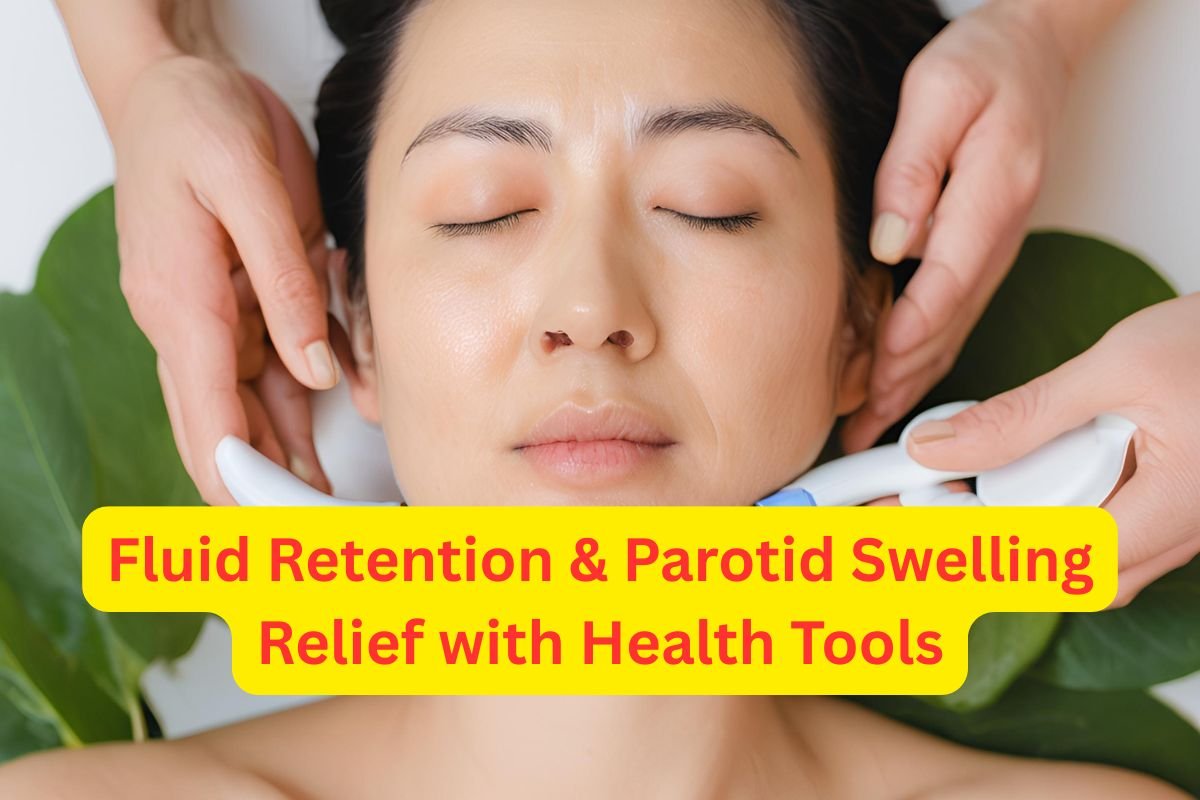
In everyday life, many health concerns are noticed only after they become impossible to ignore. Fluid retention and parotid gland swelling are two such issues – often brushed off as minor annoyances until the puffiness, tightness, or pain demands attention. These symptoms are not random; they frequently signal deeper imbalances that deserve to be understood. Whether the cause is dietary, hormonal, or related to an underlying condition, effective relief can be found through a combination of natural pain relief for parotid gland swelling at home, an understanding of fluid retention and facial swelling causes and treatment, and the use of cystography health tools for fluid retention tracking. This guide explains what is happening in the body and how lasting comfort can be achieved.
How Fluid Retention Is Triggered and Why It Persists
Water accounts for more than half of the human body and is constantly being balanced by the kidneys, hormones, and circulatory system. When this balance is disrupted, excess fluid is held in the tissues, a condition known as edema. The face, hands, feet, and legs are common sites where fluid retention is noticed. Rings may become tight, shoes may no longer fit comfortably, and eyelids may appear puffy, especially in the morning.
Several factors are known to contribute to fluid retention. A high intake of sodium causes the body to hold onto water. Hormonal fluctuations during menstruation or pregnancy are frequent triggers. Certain medications, such as corticosteroids and some blood pressure drugs, can also lead to swelling. More seriously, heart failure, kidney dysfunction, and liver disease can impair the body's ability to regulate fluid. For this reason, persistent or severe fluid retention should always be evaluated by a healthcare provider. Alongside medical guidance, cystography health tools for fluid retention tracking can be used to monitor symptoms, record daily changes, and share valuable data with a doctor.
Parotid Gland Swelling: Causes and How It Is Recognized
The parotid glands are the largest salivary glands and are located just in front of and below each ear. Saliva is produced by these glands to aid in digestion and keep the mouth healthy. When a parotid gland becomes swollen, a visible bulge appears on the side of the face, often accompanied by pain, tenderness, or difficulty chewing. The swelling may affect one or both glands and can develop gradually or suddenly.
Common causes include bacterial or viral infections (such as mumps), salivary stones that block the ducts, autoimmune conditions like Sjögren's syndrome, and, rarely, tumors. Dehydration and poor oral hygiene can also contribute to blockages and inflammation. When the swelling is caused by an infection, redness, warmth, and fever may be present. It is important to recognize that how to reduce parotid swelling without medication is often the first question asked, and in mild cases, simple home remedies can be remarkably effective.
The Overlap Between Systemic Fluid Retention and Glandular Swelling
Fluid retention and parotid swelling are not always separate problems. When the body retains fluid due to kidney issues or hormonal imbalances, the tissues around the face and jaw may also become waterlogged, exacerbating any existing glandular inflammation. Nutritional deficiencies, particularly low protein levels, can reduce the pressure that keeps fluid inside blood vessels, leading to leakage into surrounding tissues. In such cases, the puffiness observed in the face may be a combination of general edema and specific glandular involvement. By tracking symptoms with cystography health tools for fluid retention tracking, patterns can be identified that might otherwise be missed.
Pain Relief That Is Applied at Home – Parotid Gland Self‑Care
A warm compress placed over the swollen area is one of the simplest and most effective parotid gland pain relief home remedies and self-care techniques. Heat encourages blood flow, reduces stiffness, and helps the gland drain naturally. Gentle massage, moving from the jaw toward the neck, can also assist lymphatic drainage and reduce fluid buildup. Staying well hydrated is essential, even though it may seem counterintuitive; adequate water intake signals the body that it is safe to release retained fluid. Salty and highly processed foods should be limited, as sodium directly contributes to puffiness. These measures often bring noticeable relief within a day or two, especially when the swelling is mild.
Over‑the‑counter anti‑inflammatory medications such as ibuprofen can be used for more persistent pain, but they should be taken only as directed and for short periods unless advised otherwise by a doctor. If an infection is suspected – indicated by fever, pus, or worsening symptoms – professional medical care should be sought immediately. In many cases, the answer to how to reduce parotid swelling without medication lies in consistent hydration, warm compresses, and dietary adjustments.
How Cystography Health Tools Are Used for Monitoring and Relief
Digital health tools have become a valuable part of self‑care. Through the use of cystography health tools for fluid retention tracking, daily weight changes, puffiness levels, and pain intensity can be recorded over time. This data is especially helpful when a doctor’s visit is needed, as it provides a clear picture of how the symptoms are evolving. Hydration calculators, eGFR (estimated glomerular filtration rate) calculators, and symptom logs are all available to help users understand their body’s signals. For those who have undergone imaging studies, some cystography tools also assist in interpreting results related to the urinary and glandular systems.
By combining at‑home monitoring with the insights offered by these tools, a proactive approach can be taken. Instead of reacting to each new symptom in isolation, a broader pattern can be observed. This empowers individuals to make informed decisions about diet, activity, and when to seek medical attention. The role of cystography health tools for fluid retention tracking is not to replace professional care but to complement it, ensuring that nothing is overlooked.
When Medical Testing Should Be Considered
Swelling that persists for more than a few days, is accompanied by severe pain, fever, or difficulty swallowing, or produces a foul taste in the mouth, warrants a medical evaluation. Blood tests can detect markers of infection or inflammation. Ultrasound or MRI scans provide detailed images of the parotid gland and surrounding structures. Sialography, a specialized imaging test, can reveal blockages in the salivary ducts. In some cases, a fine needle aspiration is performed to rule out infection or malignancy. These diagnostic steps ensure that the underlying cause is accurately identified and appropriately treated.
Long‑Term Lifestyle Adjustments That Help Prevent Recurrence
A few consistent habits can make a significant difference in reducing the frequency of fluid retention and parotid swelling. A diet rich in anti‑inflammatory foods – berries, leafy greens, nuts, and fatty fish – supports tissue health. Regular physical activity, even gentle walking, improves circulation and helps the body manage fluid balance. Sodium intake should be monitored, and processed foods should be limited. Good oral hygiene, including regular brushing and flossing, reduces the risk of salivary gland infections. Alcohol and caffeine, which can act as diuretics and irritants, are best consumed in moderation. By adopting these practices, many people find that the cycle of swelling and discomfort is broken.
Emotional Well‑Being Is Supported Alongside Physical Relief
Visible swelling in the face can affect self‑esteem and create social anxiety. Chronic discomfort disrupts sleep, appetite, and concentration. These emotional impacts are real and should be acknowledged. Talking openly with a healthcare provider about how the symptoms affect daily life is just as important as describing the physical sensations. Support groups and online communities dedicated to fluid retention and salivary gland disorders can provide reassurance and practical tips. When emotional well‑being is prioritized, the overall healing process becomes smoother and more sustainable.
Quick Reference: Fluid Retention & Parotid Swelling Symptoms
| Symptom | Possible Cause | When to See a Doctor |
|---|---|---|
| General puffiness | Fluid retention from diet or hormones | If swelling is persistent or severe |
| Swelling near jaw/ear | Parotid gland swelling | If painful, persistent, or comes with fever |
| Pain and tightness | Inflammation or infection | If OTC pain relief doesn’t help |
| Facial asymmetry | Cyst or tumor | Immediately, especially if sudden |
| Fluid retention + swelling | Kidney or heart issue | Seek urgent care if swelling worsens rapidly |
If you're ready to explore how cystography health tools can help you understand and manage these issues, take the first step. Knowledge is the bridge between confusion and relief. For additional support, visit our Health Tools hub, where you'll find a range of calculators and trackers designed to support your wellness journey.

Otolaryngologist & Salivary Gland Specialist
Dr. Greene has treated hundreds of patients with parotid gland disorders and fluid imbalance issues. She believes that combining medical expertise with practical home care and digital health tools gives patients the best chance at lasting relief.

Diagnostic Radiologist & Head and Neck Imaging Specialist
This content has been medically reviewed for accuracy. It is not a substitute for professional medical advice. Always consult your healthcare provider regarding any swelling or pain that concerns you.