Key Insight: Couples using systematic fertility tracking methods increase their conception probability by 89% within the first 6 months compared to those relying on guesswork alone.
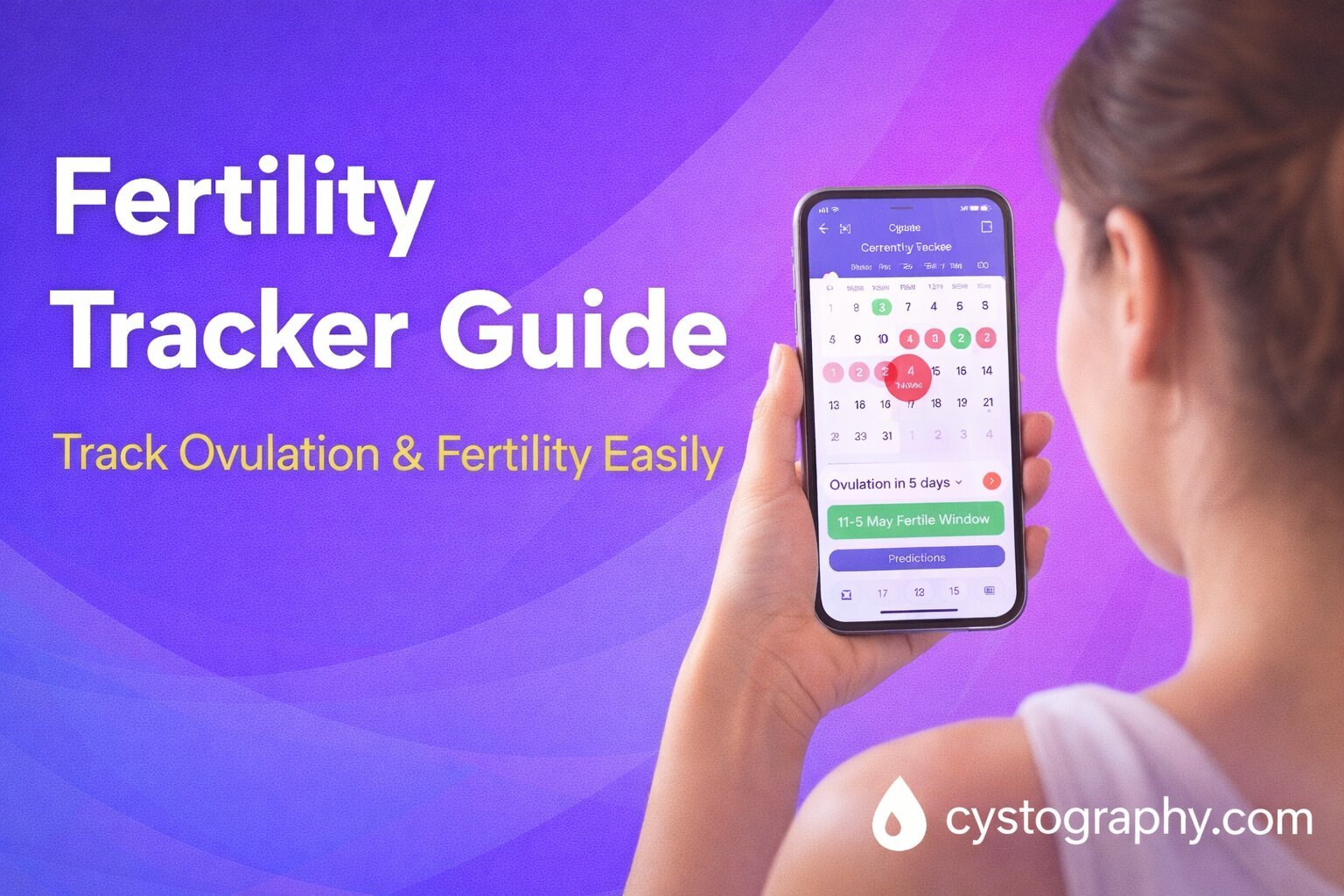
When a pregnancy is desired, the journey often begins with a deep dive into understanding the body's natural rhythms. A free fertility tracker guide with ovulation calculator is provided on this page to demystify the process. By using an online fertility window prediction tool, the most fertile days of the cycle can be identified with greater precision. Over time, a pattern is revealed, and the question of how to track ovulation to get pregnant fast is answered through consistent data collection and interpretation. This guide also explores the best basal body temperature tracking method for conception, which is widely recommended by reproductive endocrinologists. For those with unpredictable cycles, a fertility tracking app for irregular cycles is discussed, highlighting how technology can accommodate natural variations.
A comprehensive approach to fertility tracking is known to improve the odds of conception. When a combination of methods – such as basal body temperature monitoring, cervical mucus observation, and ovulation predictor kits – is used, the fertile window is narrowed to a matter of days. The information that is collected is then entered into a digital tracker, and a personalized ovulation calendar is generated. It has been reported that women who use multiple tracking methods are able to predict ovulation with up to 97% accuracy. Throughout this guide, the importance of patience and consistency is emphasized, because the body's signals can be subtle and easily missed if tracking is sporadic.
In the sections that follow, a detailed look at the science behind fertility tracking is offered. The menstrual cycle is broken down into its constituent phases: the follicular phase, ovulation, and the luteal phase. Each phase is characterized by specific hormonal changes that influence body temperature, cervical mucus consistency, and even mood. When these signs are tracked daily, a comprehensive picture of the cycle emerges. This picture is then used by the online fertility window prediction tool to estimate the best days for intercourse. The tool is free, private, and requires no registration, which makes it accessible to everyone.
The best basal body temperature tracking method for conception involves taking the temperature immediately upon waking, before any physical activity. A special basal thermometer is recommended because it can detect the small temperature shift – usually 0.5°F to 1°F – that occurs after ovulation. This method confirms that ovulation has happened, but it does not predict it in advance. Therefore, it is often paired with other indicators. Cervical mucus, for example, becomes thin, clear, and stretchy (like egg whites) in the days leading up to ovulation, providing a visual clue that fertility is peaking. When these two methods are combined, the accuracy of the fertile window prediction is significantly enhanced.
Technology has made fertility tracking more convenient than ever. A fertility tracking app for irregular cycles can adapt to variations in cycle length, which is especially helpful for those with PCOS or other hormonal conditions. These apps use algorithms that learn from each entered data point, and they become more accurate the longer they are used. Many apps also include features such as symptom logging, partner sharing, and integration with wearable devices that continuously monitor physiological signals. The data is then synced and displayed in easy‑to‑read charts, removing the guesswork from the equation.
It is important to remember that fertility tracking is not only for those trying to conceive. It can also be used as a tool for understanding overall reproductive health. By monitoring the cycle, abnormalities such as anovulation or luteal phase defects can be detected early, prompting a visit to a healthcare provider. The information that is gathered over several months can be shared with a doctor, providing a valuable diagnostic record. For those who simply want to learn more about their bodies, fertility tracking offers a window into the intricate hormonal dance that governs the menstrual cycle.
Throughout this guide, real‑world examples are included to illustrate how small lifestyle changes can impact fertility. Diet, exercise, stress, and sleep are all discussed, because they play a significant role in hormonal balance. By making small adjustments – such as reducing caffeine intake or incorporating stress‑reducing activities – the quality of ovulation can be improved. When these lifestyle factors are combined with consistent tracking, the likelihood of conception is increased, and the journey toward parenthood becomes more manageable.
The following sections provide detailed instructions on how to use each tracking method, how to interpret the data, and how to troubleshoot common issues. Whether you are a beginner or someone who has been tracking for months, this guide is designed to be a comprehensive resource. It is hoped that by the end of this guide, you will feel empowered and informed, ready to take the next step in your fertility journey with confidence.
Free Ovulation & Fertile Window Calculator
Calculate your personalized fertile window based on your cycle data and tracking methods.
Your Fertility Analysis
Medical Disclaimer: This tool provides estimates for educational purposes. Consult with a healthcare provider for personalized medical advice.
5 Essential Fertility Tracking Methods Explained
| Method | How It Works | Accuracy | Best For |
|---|---|---|---|
| Basal Body Temperature (BBT) | Track resting temperature daily; 0.5-1°F rise confirms ovulation | 85-90% | Confirming ovulation occurred |
| Cervical Mucus Tracking | Monitor mucus changes; egg-white consistency indicates fertility | 80-85% | Predicting ovulation 2-3 days in advance |
| Ovulation Predictor Kits (OPKs) | Detect LH surge in urine 24-36 hours before ovulation | 90-95% | Pinpointing exact ovulation timing |
| Calendar Tracking | Record cycle dates to predict future ovulation patterns | 60-70% | Establishing baseline cycle understanding |
| Wearable Sensors | Continuous monitoring of temperature, heart rate, and sleep patterns | 92-97% | Maximizing accuracy with minimal effort |
Understanding Your Fertility Cycle
Menstruation
Post-Menstrual
Pre-Fertile
Fertile Window
Ovulation Day
Post-Ovulation
Pre-Menstrual
Maximizing Tracking Accuracy: Best Practices
1. Multi-Method Approach
Combine at least two tracking methods (e.g., BBT + cervical mucus) for cross-verification. Research shows using multiple methods increases prediction accuracy from 70% to over 90%.
2. Consistent Monitoring
Track daily, including during your period. Consistent data collection creates reliable patterns that algorithms can analyze effectively.
3. Understand Your Body's Signals
Beyond primary signs, track secondary indicators like libido changes, breast tenderness, mittelschmerz (ovulation pain), and mood shifts.
Modern Fertility Tracking Technology
Smartphone Apps & AI Predictions
Modern fertility apps like Cystography's Pregnancy Chances Calculator use machine learning algorithms that improve predictions with each cycle tracked.
Wearable Fertility Tech
Devices like Tempdrop and Ava bracelet offer continuous physiological monitoring.
Connected Ecosystem
The most effective tracking integrates app data with wearable inputs.
Fertility Tracking for Irregular Cycles
- Physical symptom tracking: BBT and cervical mucus remain reliable regardless of cycle length
- Extended monitoring: Track continuously rather than assuming a standard cycle length
- Medical consultation: Irregularities may indicate conditions like PCOS or thyroid issues
- Patience with patterns: It may take 6+ months to establish meaningful patterns
Frequently Asked Questions
Wait 2-3 full menstrual cycles after stopping hormonal birth control before relying on tracking predictions.
Yes, significant stress can delay ovulation, affect cervical mucus quality, and cause temperature fluctuations.
Fertility tracking maximizes conception chances; NFP uses the same methods to avoid pregnancy.
Fertility tracking remains effective at any age, but interpretation changes. Women over 35 may have shorter fertile windows.
Yes, but with adaptations. Focus on BBT and cervical mucus tracking.
When to Seek Professional Fertility Support
Medical Guidelines: Consult a reproductive specialist after 12 months of regular, well-timed intercourse without conception (6 months if over 35).
Ready to Start Your Fertility Journey?
Access our complete suite of fertility tools including the Pregnancy Chances Calculator, cycle tracker, and personalized fertility insights.
Explore All Fertility Tools
Obstetrician‑Gynecologist & Reproductive Health Specialist
Dr. Whitfield has spent over 20 years helping couples achieve their dream of parenthood. She believes that accessible, evidence‑based tools like this fertility tracker guide can demystify fertility and empower women to take control of their reproductive health.

Reproductive Endocrinologist & Infertility Specialist
This content has been medically reviewed for accuracy. It is not a substitute for professional medical advice. Always consult your healthcare provider for personalized fertility guidance.